Winter Begonia Care: Keep Blooms Vibrant Indoors
Sarah Taylor ·
Listen to this article~4 min
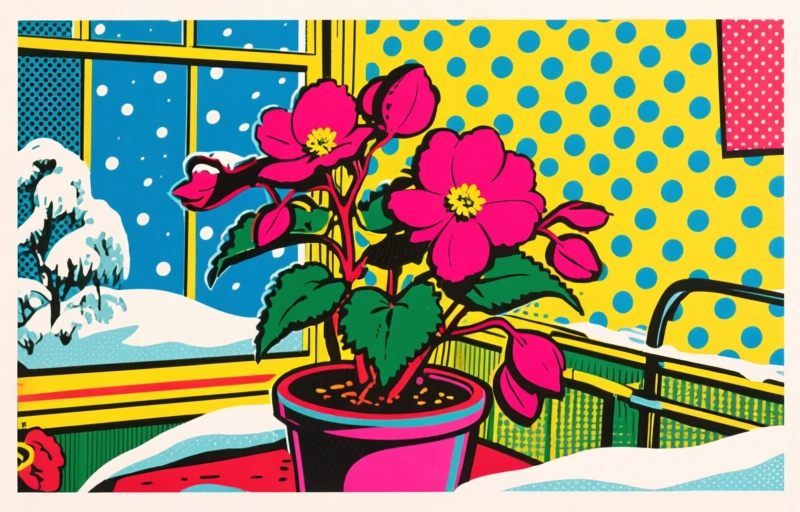
Learn how to successfully transition your begonias indoors for winter. Simple tips on light, watering, humidity, and feeding keep blooms vibrant and healthy all season.
Hey there. So, you want to bring that gorgeous begonia beauty inside for the winter? I get it. Watching those vibrant blooms fade as the cold sets in is tough. But here's the good news – with a few simple shifts, you can enjoy that color and life all season long. It's not about having a green thumb, honestly. It's about understanding what these plants whisper they need.
Think of it like moving a friend from a sunny patio to your living room. They need time to adjust. The light is different. The air feels different. Your job is just to make that transition as smooth as possible. Let's walk through it together, step by simple step.
### Finding the Perfect Indoor Spot
First things first: light. Begonias adore bright, indirect light. A south or east-facing window is usually perfect. But be careful of that harsh, direct afternoon sun coming through glass – it can actually scorch those beautiful leaves. If you see the edges turning crispy or brown, just pull the plant back a foot or two. It's all about finding that sweet spot.
No perfect window? Don't stress. A grow light can work wonders. Just a basic one set for about 12-14 hours a day will keep them perfectly happy. It's like giving them their own personal, never-setting sun.
### Watering Without the Worry
This is where most people get tripped up. Indoor winter watering is a whole different game. The air is drier, but the plant is growing slower. The classic 'finger test' is your best friend here. Stick your finger an inch into the soil. If it feels dry, it's time for a drink. If it's still damp, wait.
Always water thoroughly until it runs out the drainage holes, then let the pot drain completely. Begonias hate wet feet. Soggy soil is an open invitation for root rot, and that's a quick way to lose your plant. When in doubt, it's better to be a day late than a day early with watering.
### Humidity and Temperature Tips
Our heated homes are desert-dry for tropical plants like begonias. Low humidity leads to crispy leaf tips and dropped buds. You don't need a fancy humidifier, though that's great if you have one.
Try these easy tricks instead:
- Group your plants together. They create their own little humid microclimate.
- Set the pot on a tray filled with pebbles and water. Just make sure the pot isn't sitting *in* the water.
- Give them an occasional light misting in the morning, especially if you have radiator heat.
As for temperature, they like it cozy – think between 65-75°F (18-24°C). Keep them away from cold drafts from doors and also from direct blasts of hot, dry air from heating vents.
### A Little Food Goes a Long Way
Your begonia isn't growing as vigorously in winter, so it doesn't need a heavy meal. A light feeding every 4-6 weeks with a balanced, water-soluble fertilizer diluted to half strength is plenty. It's like a vitamin boost to support those blooms. Over-fertilizing now can harm the roots and cause more problems than it solves.
One more thing – keep an eye out for pests. Spider mites and mealybugs love indoor plants. Check under the leaves regularly. If you spot trouble, a gentle wipe with insecticidal soap or neem oil usually takes care of it.
It really comes down to paying attention. Your begonia will tell you what it needs. A little droop? Maybe it's thirsty. Yellowing leaves? Could be too much water or not enough light. You'll learn its language. Bringing your begonias in isn't just about saving a plant; it's about keeping a splash of summer joy alive in your home all winter long. And that's a beautiful thing.