Monica Ravi-Conway: Inclusive Beauty Through Education
Dr. Anya Sharma ·
Listen to this article~3 min
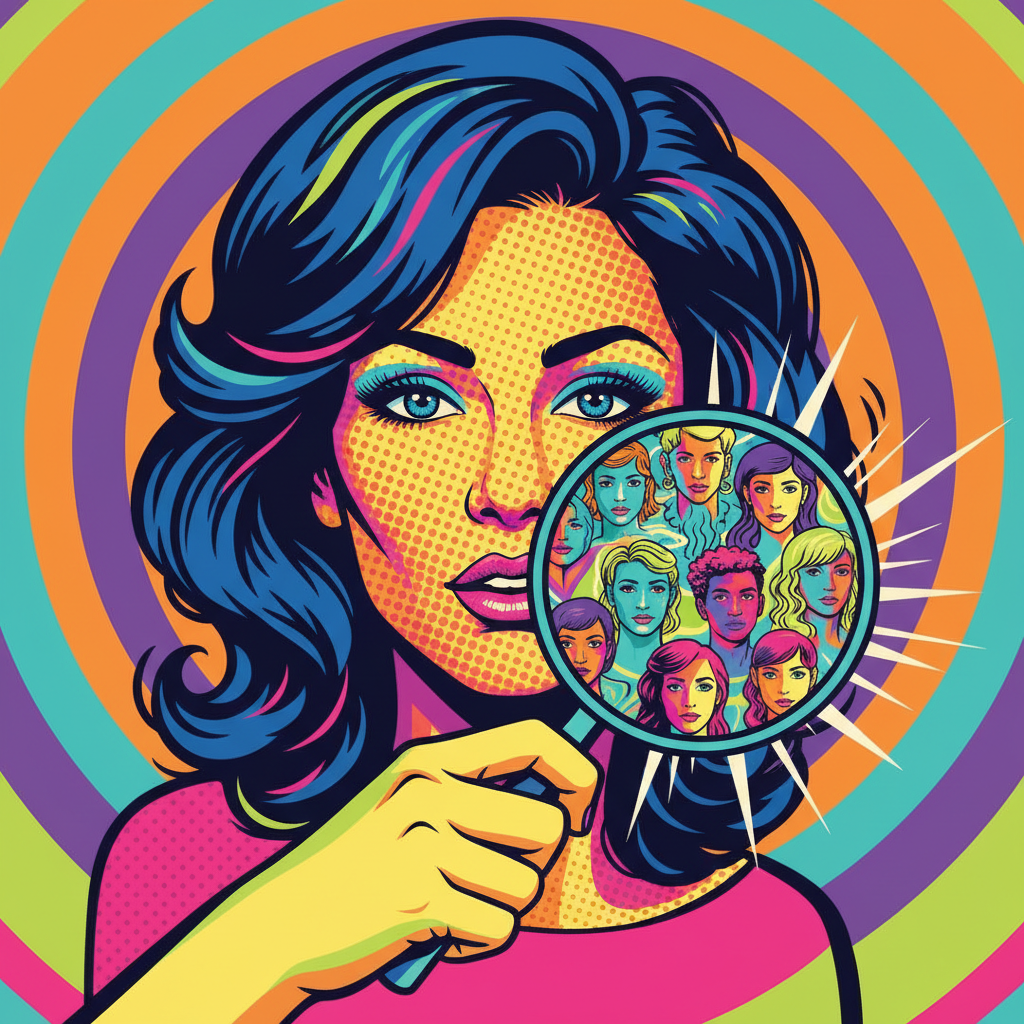
Monica Ravi-Conway champions a new approach to beauty, arguing that true inclusivity starts with education. She's teaching adaptable techniques and color theory for all skin tones and features.
Let's talk about makeup. Not the kind you see in glossy ads with one perfect look, but the real stuff. The kind that's supposed to make you feel seen, confident, and like yourself. For too long, the beauty industry has been speaking a language not everyone understands, using shades that don't match, and techniques that leave people feeling left out.
That's where Monica Ravi-Conway comes in. She's not just talking about inclusivity; she's building it from the ground up through education. Think about it. How many of us learned makeup from a friend, a magazine, or a YouTube tutorial that assumed we all had the same skin tone, face shape, or budget?
### The Core Problem in Beauty Education
The traditional beauty education model has a massive blind spot. It often caters to a narrow range of features and complexions. If you've ever struggled to find a foundation that matches your undertone or felt a tutorial just wasn't made for your eye shape, you've experienced this gap firsthand. It's frustrating, and it sends a message that beauty has a very specific, exclusive definition.
Monica's approach flips this script. She believes true inclusivity starts with knowledge that's accessible to everyone. It's about teaching the principles of color theory, skin undertones, and application techniques in a way that empowers each individual, regardless of their background or features.
### Building a More Inclusive Toolkit
So, what does this education actually look like? It's moving beyond the one-size-fits-all lesson plan. It involves:
- **Deconstructing Color Theory:** Explaining how undertones (cool, warm, neutral) work across the entire spectrum of human skin, not just a few "standard" shades.
- **Technique Over Trend:** Focusing on adaptable application methods that work for different eye shapes, lip sizes, and face structures, rather than chasing fleeting Instagram fads.
- **Product Intelligence:** Teaching people how to read ingredient lists, understand product claims, and make smart choices for their skin type and budget, which often means looking beyond the luxury counter.
It's like learning the grammar of a language instead of just memorizing a few phrases. Once you understand the rules, you can write your own story.
### Why This Shift Matters for Professionals
For beauty professionals, this isn't just a nice idea—it's a business imperative. Clients are demanding more personalized, respectful service. They want to feel understood, not just sold to. By adopting an educational, inclusive approach, artists and consultants can:
- Build deeper trust and loyalty with a much wider client base.
- Reduce product waste and returns by making better, more accurate recommendations.
- Position themselves as true experts and advocates in a crowded market.
As Monica points out, inclusivity isn't a checkbox. It's a continuous practice of listening, learning, and expanding our understanding of what beauty can be. It's recognizing that every face has a unique narrative, and our job is to help tell it, not overwrite it.
The future of beauty isn't in creating a single, perfect look. It's in equipping everyone with the tools and knowledge to create their own version of it. That's a vision worth investing in, one lesson at a time.