Lincoln's Beard: The Tween's Beauty Tip That Changed History
Dr. Anya Sharma ·
Listen to this article~3 min
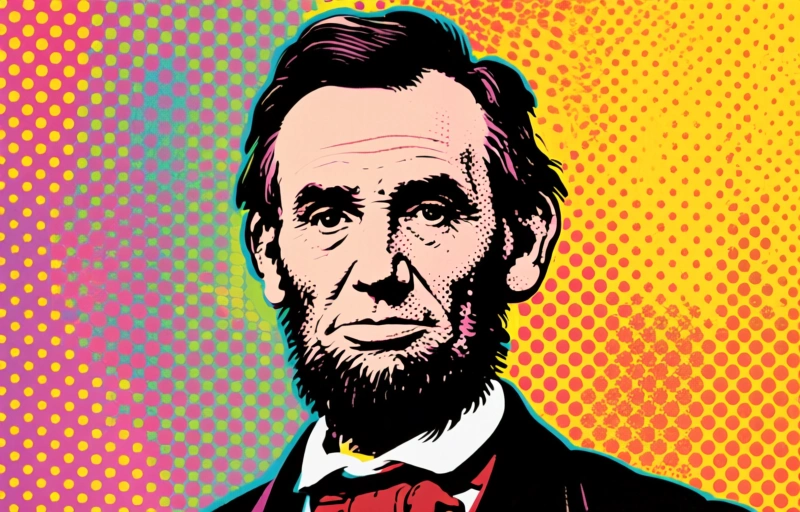
Discover how an 11-year-old girl's beauty advice led Abraham Lincoln to grow his iconic beard, transforming his image and influencing his presidential legacy. A lesson in personal branding for aesthetics professionals.
You know Abraham Lincoln as the 16th President, the man who held the Union together. But did you know his iconic beard started as a piece of beauty advice from an 11-year-old girl? It's one of those quirky, human stories that gets lost behind the history books. Let's talk about how a child's letter reshaped a president's image and what it says about the power of personal presentation.
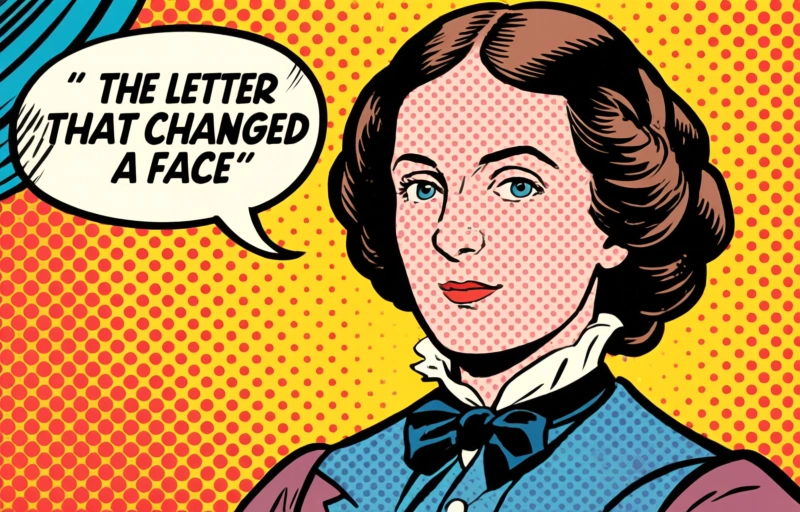
### The Letter That Changed a Face
In October 1860, young Grace Bedell from Westfield, New York, saw a campaign photo of the clean-shaven presidential candidate. She decided to write him a letter. Think about that for a second. An 11-year-old felt confident enough to offer styling tips to a man running for the highest office. Her reasoning was simple yet profound. She believed his face was too thin and that whiskers would make him more appealing to voters. She even promised it would help him get elected.
Lincoln, famously known as 'Honest Abe,' didn't dismiss the suggestion. He actually wrote back. He pondered whether growing a beard at his age—he was 51—might be seen as silly. But he thanked Grace for her counsel. Within a month, he'd started growing the facial hair that would become his signature look.
### More Than Just Whiskers
This wasn't just about aesthetics. It was a masterclass in personal branding before the term existed. Lincoln understood his gaunt, 6-foot-4-inch frame and sharp features could seem severe. The beard softened his appearance, adding a touch of warmth and gravitas. It became part of his identity, a visual symbol of wisdom and strength during the nation's most divisive crisis.
- It framed his face, drawing attention to his thoughtful eyes.
- It created a more paternal, trustworthy image for a nation in turmoil.
- It showed he was a man of the people, willing to listen to even the youngest citizen.
As one historian noted, 'The beard didn't just change his look; it completed the visual portrait of a steadfast leader.' By the time he took office, the beard was fully grown, and it became as iconic as his stovepipe hat.
### Why This Story Resonates Today
For beauty and aesthetics professionals, this tale is a goldmine. It underscores that image consulting isn't vanity—it's communication. Lincoln's transformation highlights core principles we still use:
First, understand your canvas. Lincoln's facial structure was his canvas, and Grace identified its needs. Second, authenticity is key. The beard suited him; it wasn't a trendy gimmick. It enhanced his natural features. Finally, listen to your audience. Sometimes the best advice comes from an unexpected place.
In our field, we help clients project their best selves, whether for a boardroom or a ballot. Lincoln’s choice reminds us that a small change can have an enormous impact on perception and confidence. It’s about aligning the external presentation with the internal character.
So next time you're considering a style shift for a client, remember Honest Abe and his young advisor. It proves that good advice has no age limit, and that sometimes, the right aesthetic choice can become a lasting part of your legacy.